
Last updated
How many porta potties do I need for OSHA compliance?
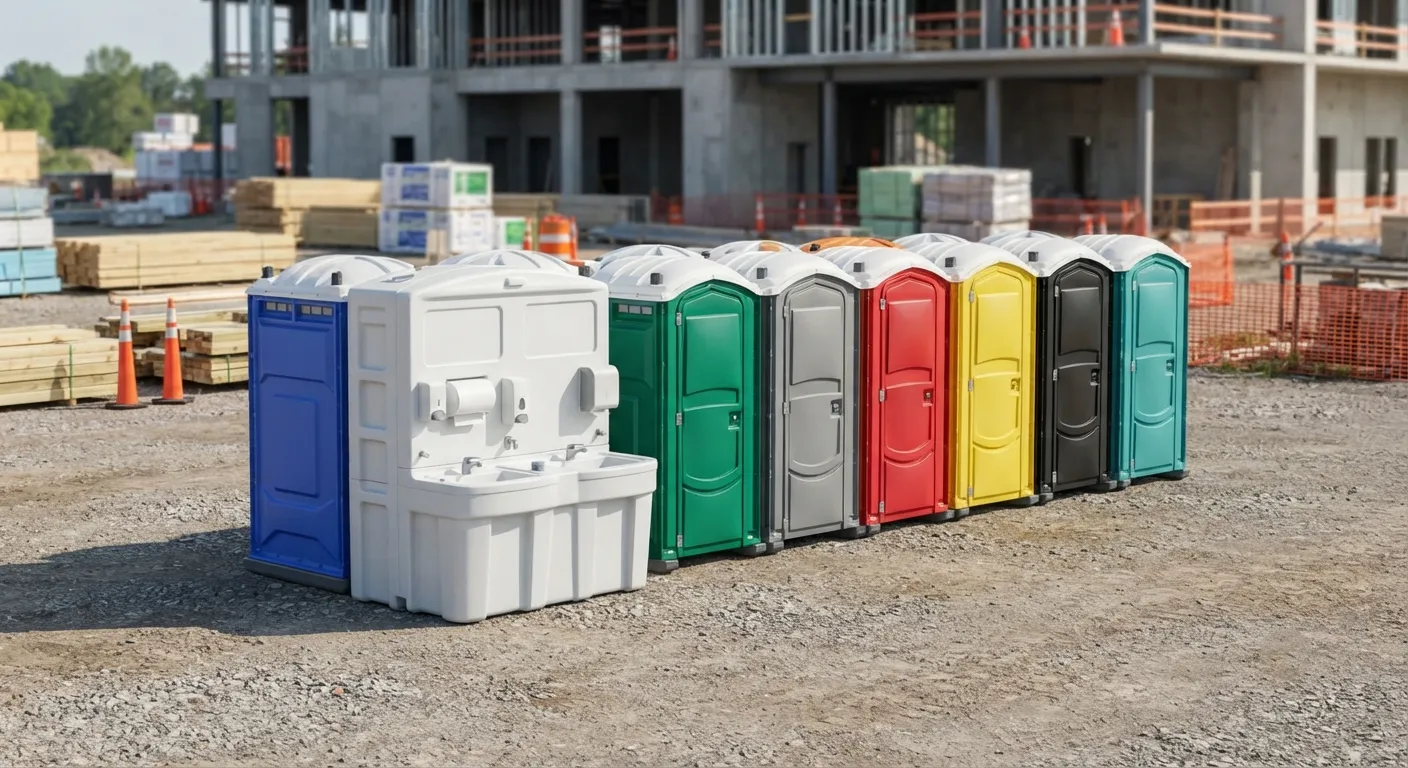
Start with the headcount, not the site size. OSHA 1926.51(c) sets the baseline: 1 toilet facility for 20 workers or fewer, then 1 toilet seat plus 1 urinal per 40 workers once you pass 20, dropping to a ratio of 1 seat and 1 urinal per 50 workers at 200 or more. A 15-person residential crew in Garland needs one unit. A 45-person crew needs two seats and a urinal setup. Most contractors size this out using our guide to how many porta potties you need, then confirm with whoever is running the construction site services plan. Don't guess by acreage. A tight downtown Garland lot with 30 workers needs the same fixture count as a sprawling site 12 miles out with the same crew size. If you're staging a construction dumpster rental alongside your toilets, plan both deliveries together since site access is usually the same gate.
What are the OSHA portable toilet distance requirements?
OSHA's construction standard does not set a fixed foot distance from work areas to the toilet, but it does require the units be reasonably accessible during the shift, not locked behind an active work zone. Agricultural sites operate under a different rule: OSHA 1928.110 requires field sanitation facilities be within a quarter mile walk, or five minutes, of hand-labor employees, at a ratio of one facility per 20 workers. That distance rule is specific to ag work, not general construction. For a typical Garland job site, the practical answer is placement near the break area, with a clear path that does not cross active equipment lanes. Our porta potty placement guide covers ground stability and truck access, since a roll-off delivery truck needs about 60 feet of straight clearance behind it and your toilet units should not sit in that lane. If you're setting up near Rowlett, 5.5 miles east of Garland, or out toward Sachse, 6.6 miles northeast, the same access rules apply regardless of which side of the metro you're on.
Does OSHA require handwashing stations too?
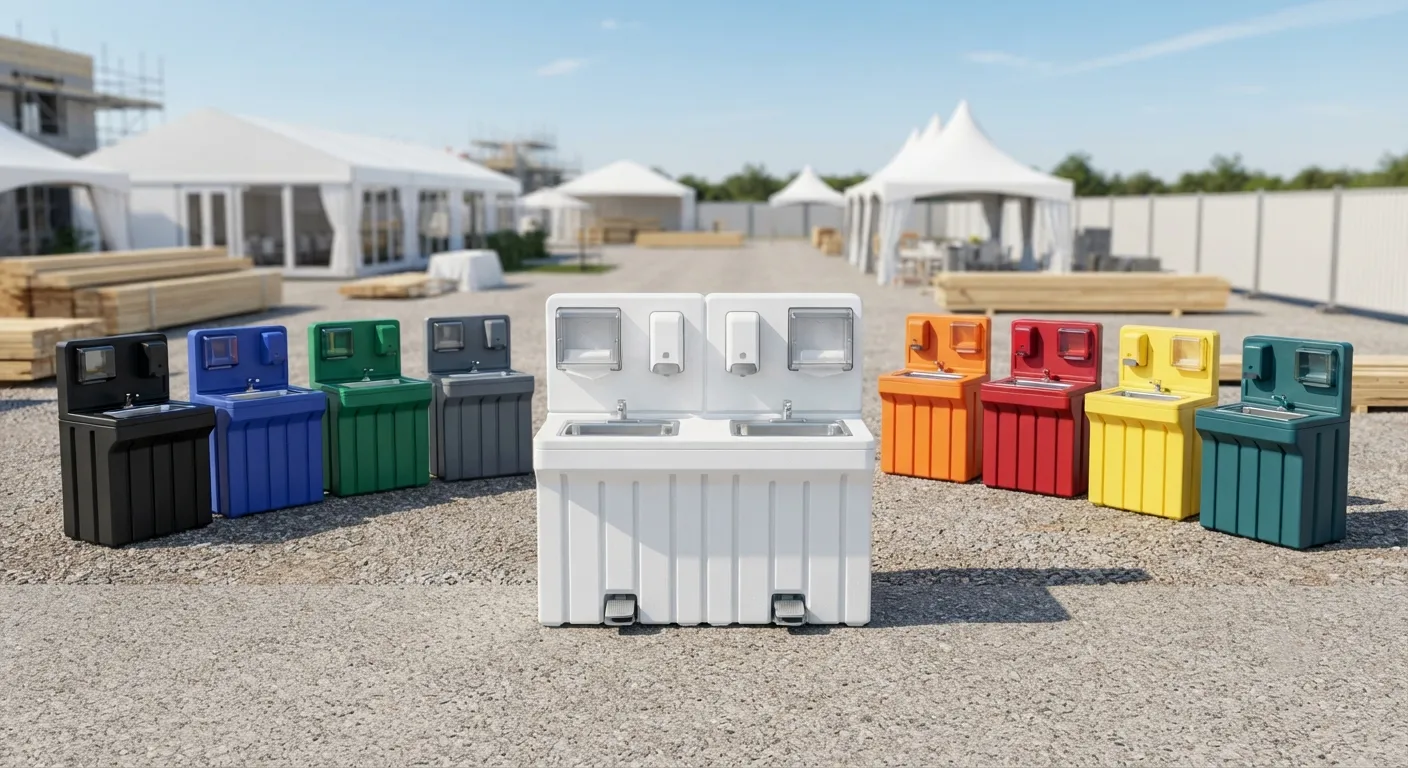
Sometimes, and it depends on the work. General toilet and sanitation obligations fall under OSHA 1926.51(c), and potable water is required on every site under 1926.51(a)(1). But a mandatory handwashing station tied to a specific task only kicks in under OSHA 1926.51(f)(1) when workers are applying paints, coatings, herbicides or insecticides, or handling other harmful contaminants. That's not a blanket rule for every job site. If your Garland crew is doing general framing or concrete work with no chemical exposure, you're covered by the toilet and water rules but not automatically required to add a wash station under that specific clause. General industry sites, as opposed to construction, follow 29 CFR 1910.141(c)(1)(i) for toilet ratios and 1910.141(d)(2) for washing facilities, which requires soap and towels or a hand-drying device; hand sanitizer alone does not satisfy that rule. Many contractors add a handwashing station rental anyway, since crews expect it and it speeds up lunch breaks.
Is Cal OSHA different from federal OSHA for portable toilets?
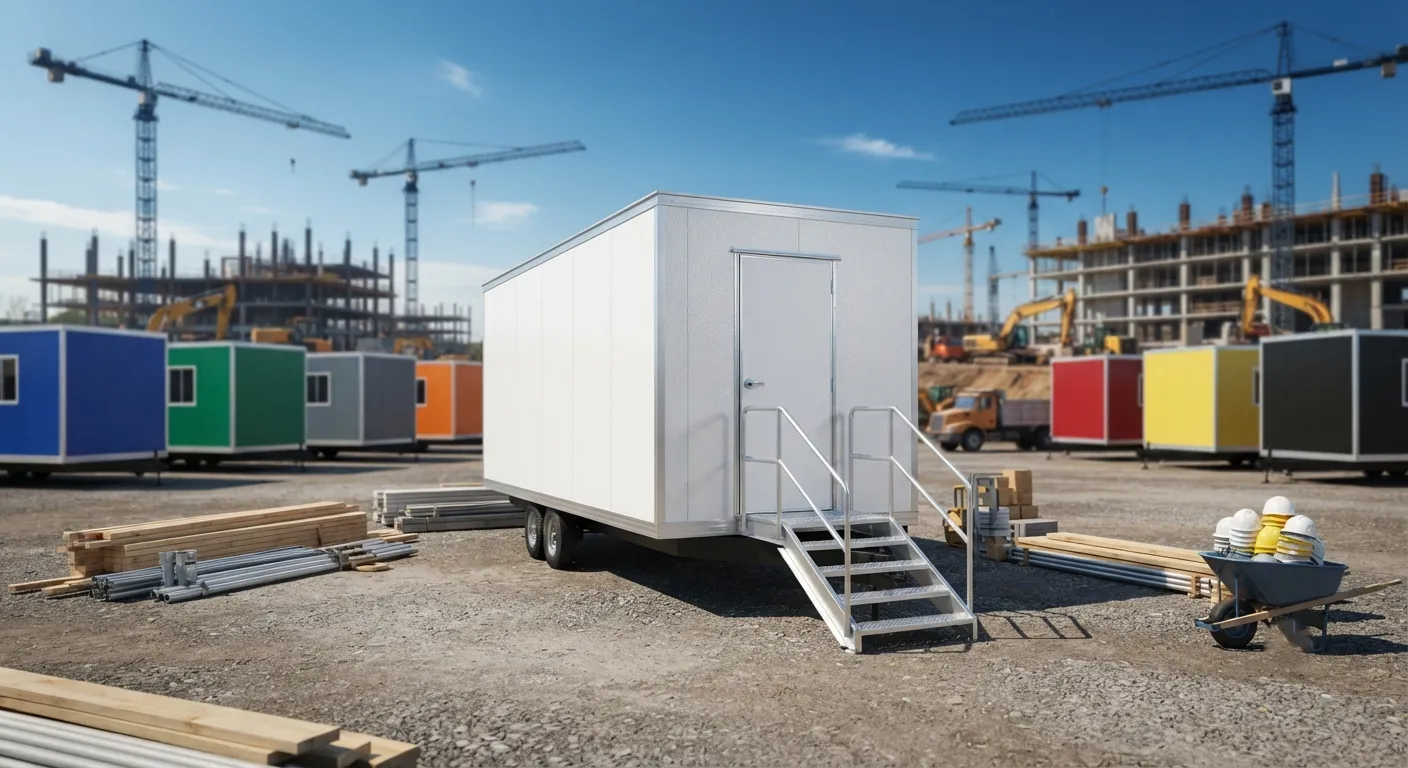
Cal OSHA applies in California, not Texas, so Garland sites follow federal OSHA 1926.51(c) rather than the California-specific standard. Cal OSHA's portable toilet requirements are structured similarly, with ratios tied to crew size, but the enforcing agency and some of the specifics differ. If you're bidding work that spans states, don't assume the two rulebooks match line for line. For a Texas job, including anything in Garland, University Park 12.5 miles southwest, or Mesquite 13.3 miles south, plan around the federal table. Site logistics matter as much as the fixture count: light towers and temporary power draw crews after dark, so pair your light tower rental or temporary power pole order with your restroom count so both show up on delivery day. If you need barrier fencing around the unit cluster, a temporary fence rental or chain link temporary fence keeps the area contained without blocking the path OSHA expects workers to use.
| unit | duration | typical price |
|---|---|---|
| standard | day | $150 |
| standard | week | $200 |
| standard | month | $200 |
| ada | week | $185 |
Pricing above reflects standard porta potty rental rates; for ADA-compliant units required on larger crews, see ADA accessible porta potty options, since clustered single-user units must include at least one accessible unit under ADA Standards 213.2.
How many workers trigger a second toilet under OSHA?
Once you cross 20 workers, OSHA 1926.51(c) requires 1 toilet seat and 1 urinal per additional 40 workers. A crew of 25 to 60 needs two seats plus urinals. Check our OSHA requirements breakdown or use how many porta potties do I need to size it exactly.
Do OSHA rules require a specific toilet size or tank capacity?
No, OSHA doesn't set a tank size. Standard units carry a 60 to 70 gallon holding tank and stand about 92 inches tall, per typical standard porta potty rental specs. Servicing frequency matters more than tank size for keeping units usable all week.
Can I rent a storage container alongside portable toilets for a Garland job site?
Yes. Many contractors pair storage container rental with restroom units on the same site, especially for tool lockup. A 20ft storage container fits tighter lots; see storage container rental cost for monthly pricing.
Are handwashing stations required at every construction site?
Not automatically. General water access is required under OSHA 1926.51(a)(1), but a dedicated handwashing station tied to contaminant exposure only applies under 1926.51(f)(1) for paints, coatings, herbicides or insecticides. Otherwise it's a smart add, not a mandate.
How do I know if my Garland site needs an ADA-accessible unit?
If you're clustering multiple single-user toilets, ADA Standards 213.2 requires at least 5 percent be accessible, with a minimum of one unit regardless of cluster size. Check ADA restroom requirements before your delivery date.
Next step
Get a delivery date
Tell us the address, the dates and the headcount. We size the order and confirm the route.