
Last updated
What does OSHA require for handwashing on a job site?
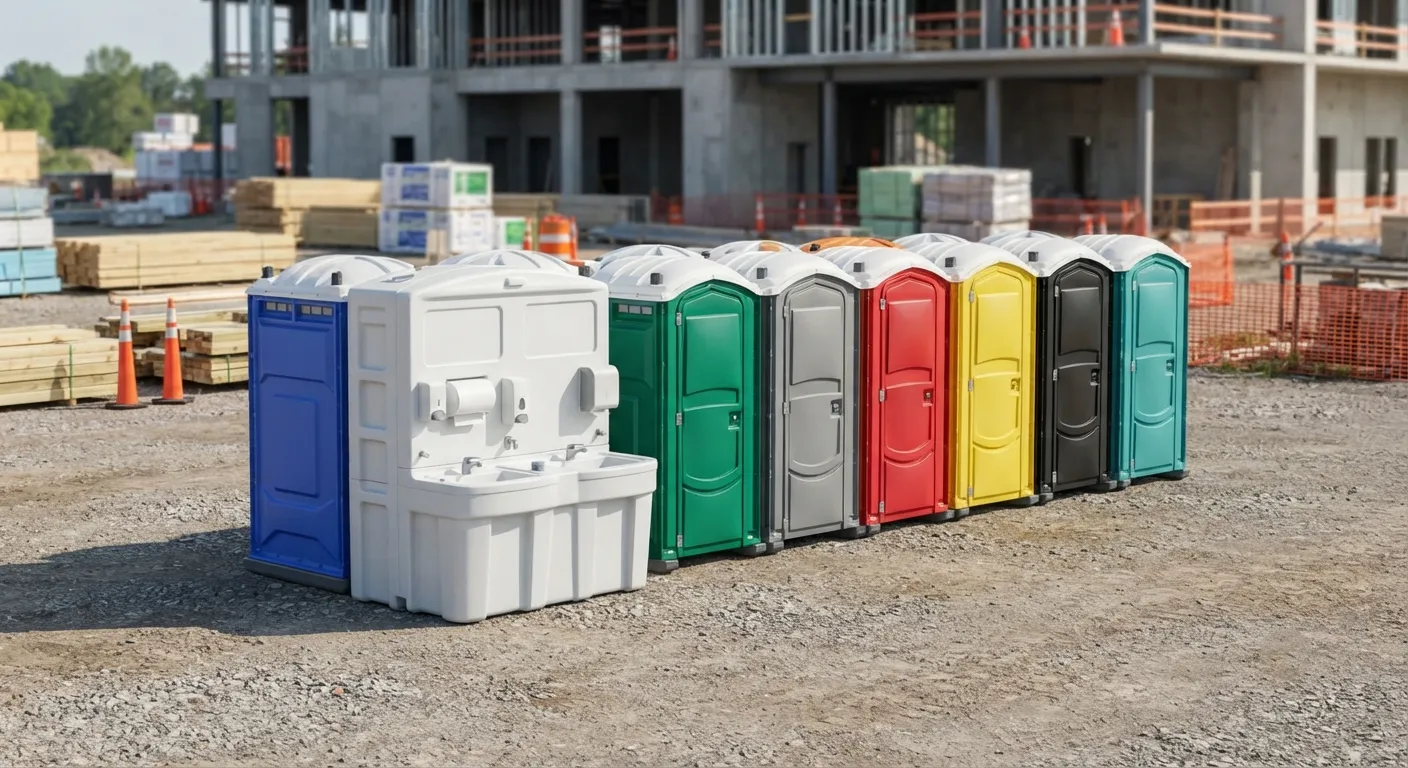
The baseline is OSHA 1926.51(a)(1): an adequate supply of potable water has to be on site, period. That is the anchor rule under construction site services, and it applies whether you have one framer or a fifty-person crew. Toilet counts follow a separate ratio under OSHA 1926.51(c)(1): one toilet for 20 or fewer workers, then one toilet and one urinal per 40 workers once you pass that threshold, scaling to one per 50 at 200 or more. If your crew is spraying paint, applying coatings, or using herbicides or insecticides, OSHA 1926.51(f)(1) kicks in separately and requires washing facilities for that contaminant exposure specifically, not just a general sink. General industry sites, meaning shops and warehouses rather than active construction, fall under OSHA 1910.141(c)(1)(i) instead, which uses its own employee-count ratios. If you are not sure which bucket your Garland site falls into, our OSHA portable toilet requirements page walks through both, and how many porta potties do I need turns the ratio into an actual unit count.
What has to be at the station itself?
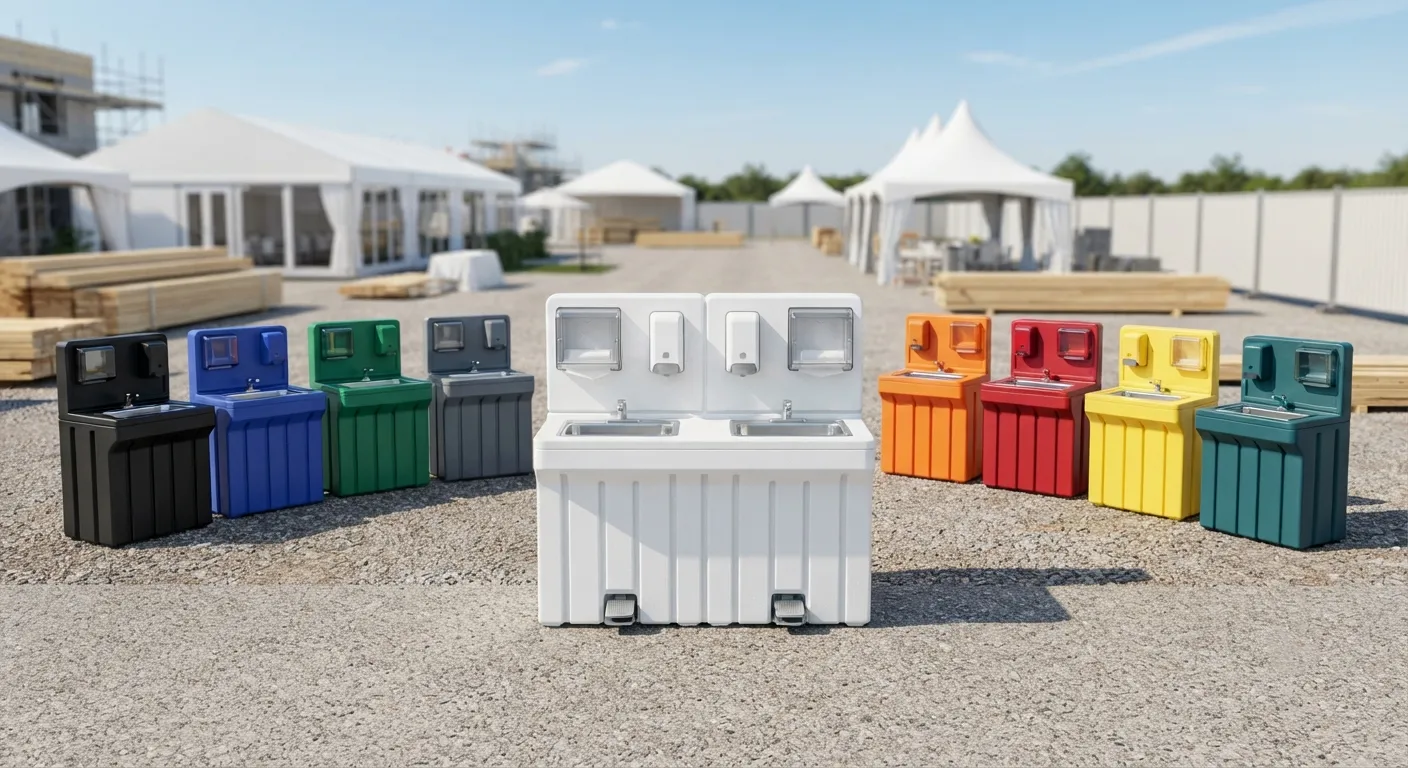
Soap and a way to dry hands, full stop. 29 CFR 1910.141(d)2) is specific that hand sanitizer alone does not satisfy the requirement. You need actual soap and towels or a drying device at the unit. This matters for anyone comparing a hand sanitizer station rental against a real handwashing station rental: sanitizer is a fine supplement, but it is not a substitute for compliance. A portable sink rental with a foot pump, soap dispenser and paper towel roll clears the bar. Garland job sites running food service, catering, or any food-handling operation should treat this as non-negotiable, since health inspectors look for the same soap-and-towel combination that OSHA does. Pair the station with your portable toilet rental units rather than scattering them across the site, since workers are far more likely to actually wash up when the sink sits right next to the door they just walked out of.
Where should stations be placed on a Garland site?
Right next to the toilets, and within an easy walk of the work zone, not tucked behind the dumpster. Our porta potty placement guide covers the same clearance and access logic that applies here: firm, level ground, no standing water, and a path a delivery truck can actually reach. A roll-off delivery needs about 60 feet of straight clearance behind the truck, and the same access logic applies when your handwashing station is delivered alongside a roll-off dumpster rental or construction dumpster rental on a tight urban lot. If the site is anywhere near a public sidewalk or right of way, placement there needs confirming with the City of Garland before delivery, since we cannot state a blanket rule that applies to every lot. Sites near Rowlett, 5.5 miles east of Garland, or Sachse, 6.6 miles northeast, follow the same placement logic, though each city handles its own right-of-way approvals separately.
Do event sites and farms need handwashing stations too?
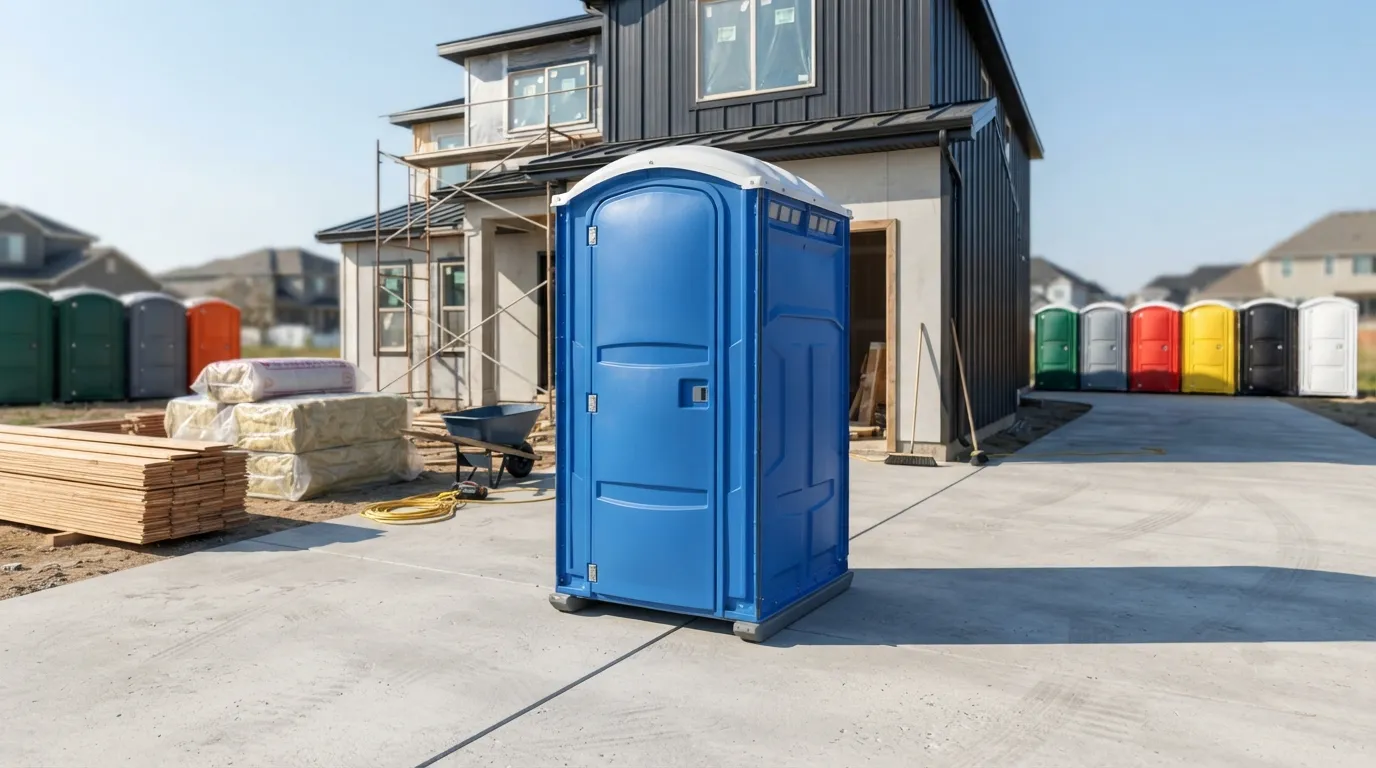
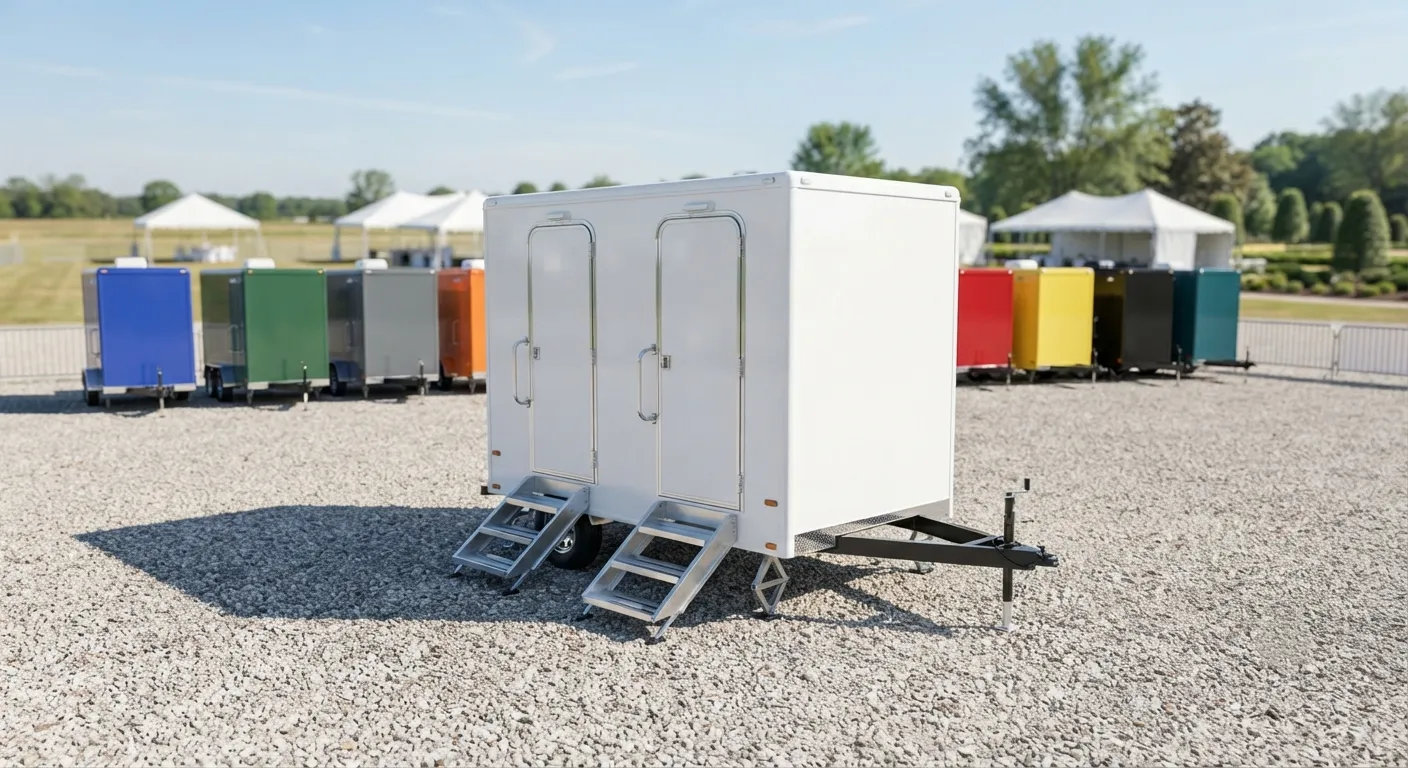
Yes, and the rules differ by setting. Agricultural operations with hand-labor employees fall under OSHA 1928.110, which calls for potable water, toilets and handwashing at one facility per 20 employees, reachable within a quarter-mile walk. That is a tighter access standard than most construction sites use, and it is worth knowing if you are running a farm and agricultural restrooms setup outside Garland proper. Event organizers do not fall under OSHA at all in the same way, but caterers, food trucks and vendors still expect soap-and-towel stations as a baseline, and guests notice when there is nowhere to wash up. Whether you are planning event restroom rental, a wedding restroom rental, or a festival restroom rental for something larger, pairing every restroom cluster with a handwashing station keeps the line moving and keeps guests happier. Garland event venues booking through request a quote can bundle stations with standard porta potty rental or a restroom trailer rental for a more finished setup.
How many handwashing stations do I need per worker?
There is no fixed OSHA ratio tied purely to handwashing stations the way there is for toilets, but pairing at least one station per toilet cluster covers most job sites. A crew of 20 or fewer generally needs one toilet under OSHA 1926.51(c)(1), so one nearby handwashing station handles that same group comfortably.
Does hand sanitizer meet OSHA requirements?
No. 29 CFR 1910.141(d)(2) requires soap and towels or a hand-drying device at the washing facility. Sanitizer can sit next to the station as an extra step, but it does not replace the soap-and-water setup OSHA expects, especially for food handling or contaminant exposure under 1926.51(f)(1).
Can I rent a handwashing station without renting a porta potty?
Yes. Plenty of Garland job sites already have restroom access and just need extra handwashing capacity, especially for painting or coating crews covered separately under 1926.51(f)(1). Standalone stations deliver and set up the same way, no toilet rental required.
What is the difference between a handwashing station and a portable sink?
Mostly terminology. Both terms describe a self-contained unit with a water tank, soap dispenser, and towel or drying device, built to meet the same 1910.141(d)(2) standard. Some units add a foot pump or extra basins for higher-traffic sites like festivals.
How far from the toilets should the handwashing station sit?
Close enough that nobody skips it. There is no OSHA distance rule specifically for this, but placing it directly beside your restroom units, the same way our porta potty placement guide recommends, gets far better compliance than a station set apart from the toilets.
Next step
Get a delivery date
Tell us the address, the dates and the headcount. We size the order and confirm the route.